
How I Translate Client Vision Into Design
Turning Ideas, Inspiration, and Lifestyle Into a Thoughtfully Designed Home
One of the most common things clients tell me during our first meeting is:
"I know what I like, but I don’t know how to put it together."
This is exactly where interior design becomes more than selecting furniture or finishes — it becomes a process of interpretation. My role as an interior designer is to take a client’s ideas, lifestyle, and inspirations and translate them into a cohesive, functional, and beautiful space that feels deeply personal.
Design is not about imposing a style. It’s about understanding people first.
Listening Before Designing
Every successful project begins with conversation, not drawings.
During the initial consultation, I focus on learning how my clients live in their home:
What works in their current space?
What feels frustrating or unfinished?
How do they spend time at home?
What emotions do they want their space to evoke?
Sometimes clients bring Pinterest boards or inspiration photos. Other times, they simply describe how they want their home to feel — calm, welcoming, elevated, or family-friendly.
Both approaches are equally valuable because inspiration is only the starting point.
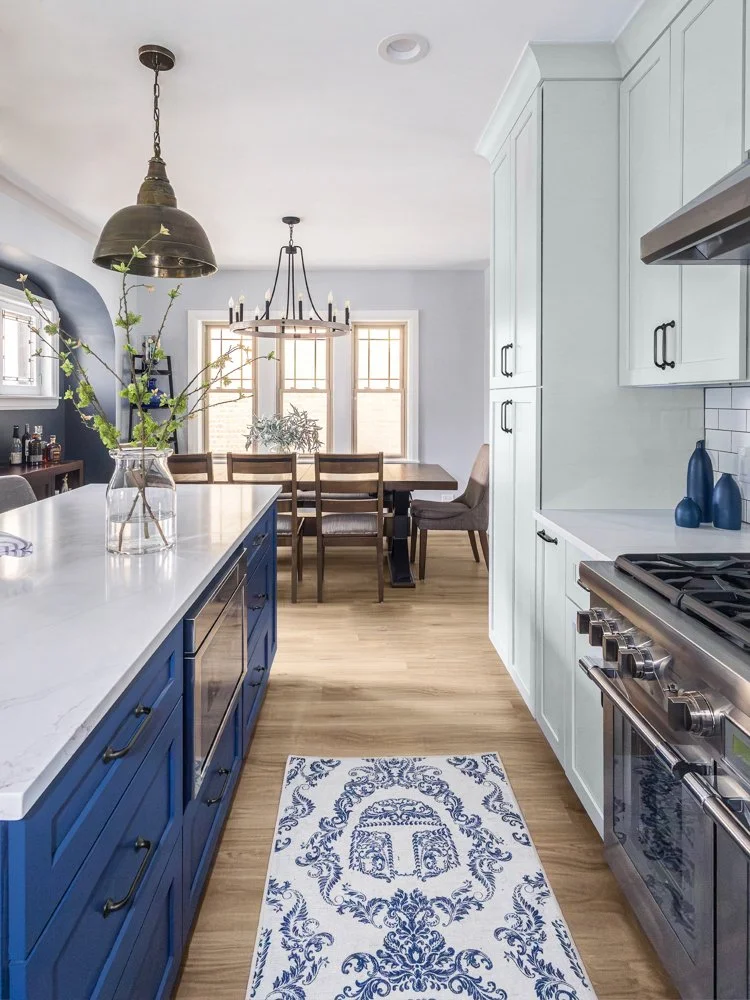
Source: Magda Interiors
Remodel by ConnStruct
2. Creating a Design Story
Once I understand the vision, I begin building what I call the design story — a guiding concept that connects every decision in the project.
This includes:
Layout and functionality
Material selections
Color palette
Lighting strategy
Architectural details
Furniture and styling elements
Each piece must support the overall story so the home feels cohesive rather than assembled over time.
A well-designed space should feel effortless because every element works together.
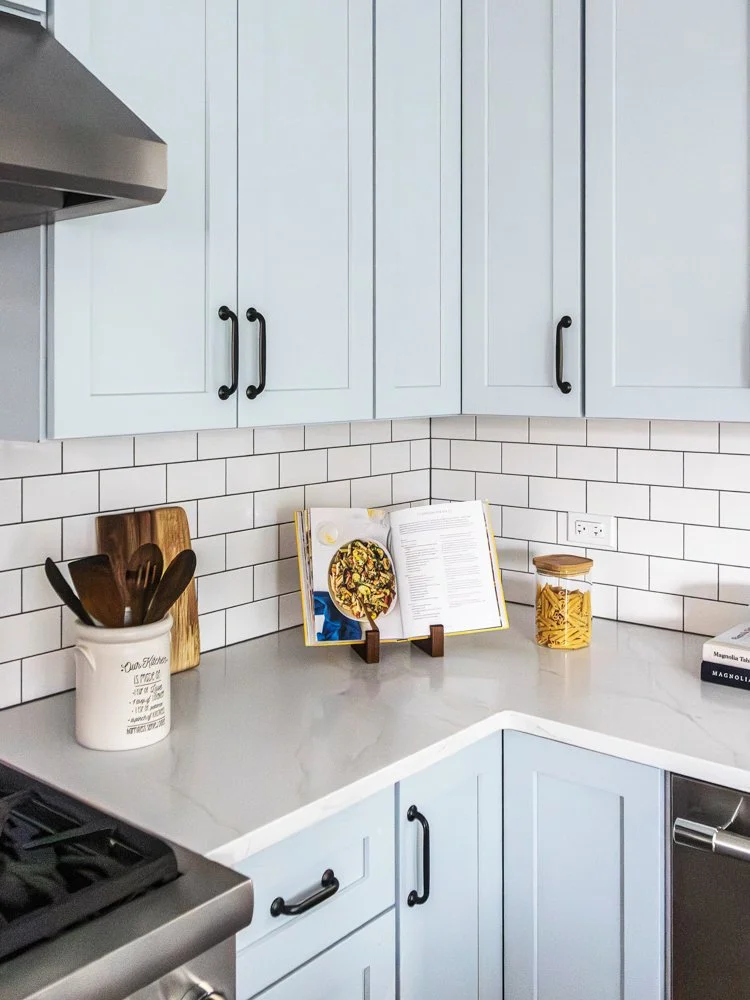
Source: Magda Interiors
Remodel by ConnStrut
3. Guiding Clients Through Decisions
One of the biggest challenges homeowners face during renovations is decision fatigue. There are hundreds of choices — tile, hardware, lighting, cabinetry finishes, layouts — and each decision affects the next.
My role is to simplify the process by:
narrowing options thoughtfully
presenting cohesive selections
explaining the reasoning behind choices
ensuring all elements work together
Clients don’t need endless options; they need clarity and confidence.
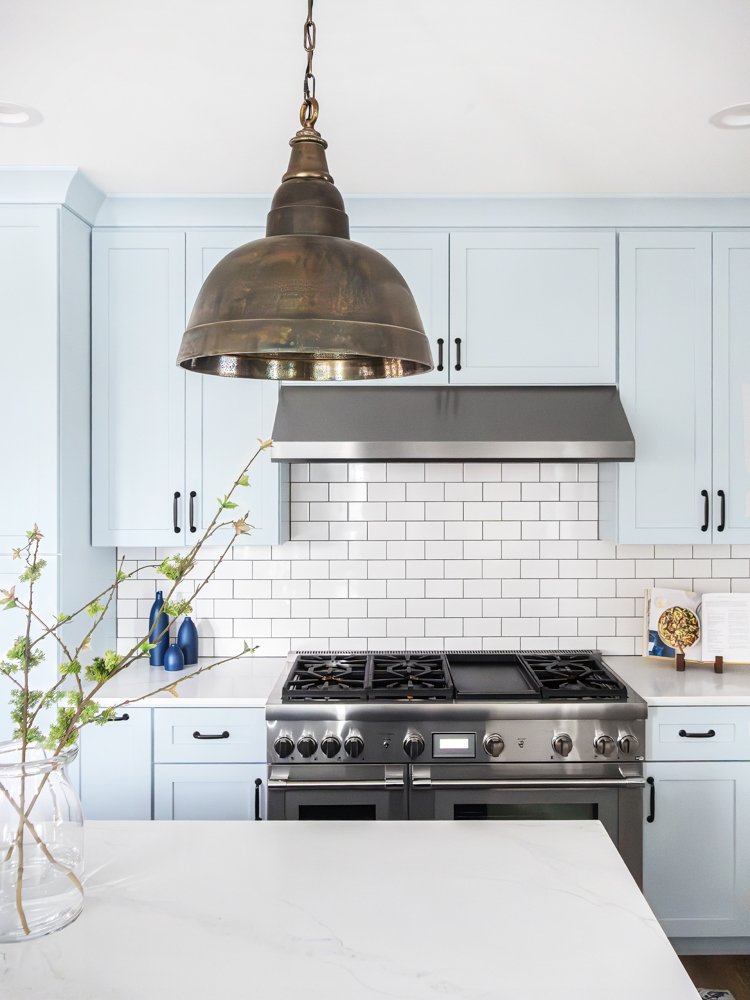
Source: Magda Interiors
Remodel by ConnStruct
4. Collaboration, Not Control
Interior design is a collaboration. The goal is never to create a home that looks like a designer’s portfolio — it should look like the client’s best version of their home.
Throughout the project, feedback is encouraged and adjustments are part of the process. As trust builds, clients often feel more comfortable exploring ideas they hadn’t initially considered.
This collaborative approach leads to spaces that feel authentic and lasting.
Designing Homes That Reflect the People Who Live in Them
Every home tells a story. My goal is to help clients uncover and express theirs through thoughtful design solutions that feel personal, functional, and timeless.
Whether planning a kitchen remodel, bathroom renovation, or full-home transformation, the process always begins the same way — by understanding the people behind the project.
Because great design starts with listening.