
Lighting 101: How to Layer Light for a Beautiful, Functional Home
Lighting is one of the most overlooked elements in the home design and one of the most powerful. Even the most beautiful finishes and furniture can fall flat without the right lighting plan. A well-designed home uses layers of light to create warmth, function, and visual interest.
Here’s a breakdown of the key types of lighting every home should have—and how they work together.
1. Main (Ambient) Lighting
This is the foundation of your lighting plan. Main lighting provides overall illumination for a room so you can comfortably move through the space.
Common examples:
Chandeliers
Ceiling-mounted fixtures
Flush or semi-flush lights
Recessed can lights
Small and large pendants
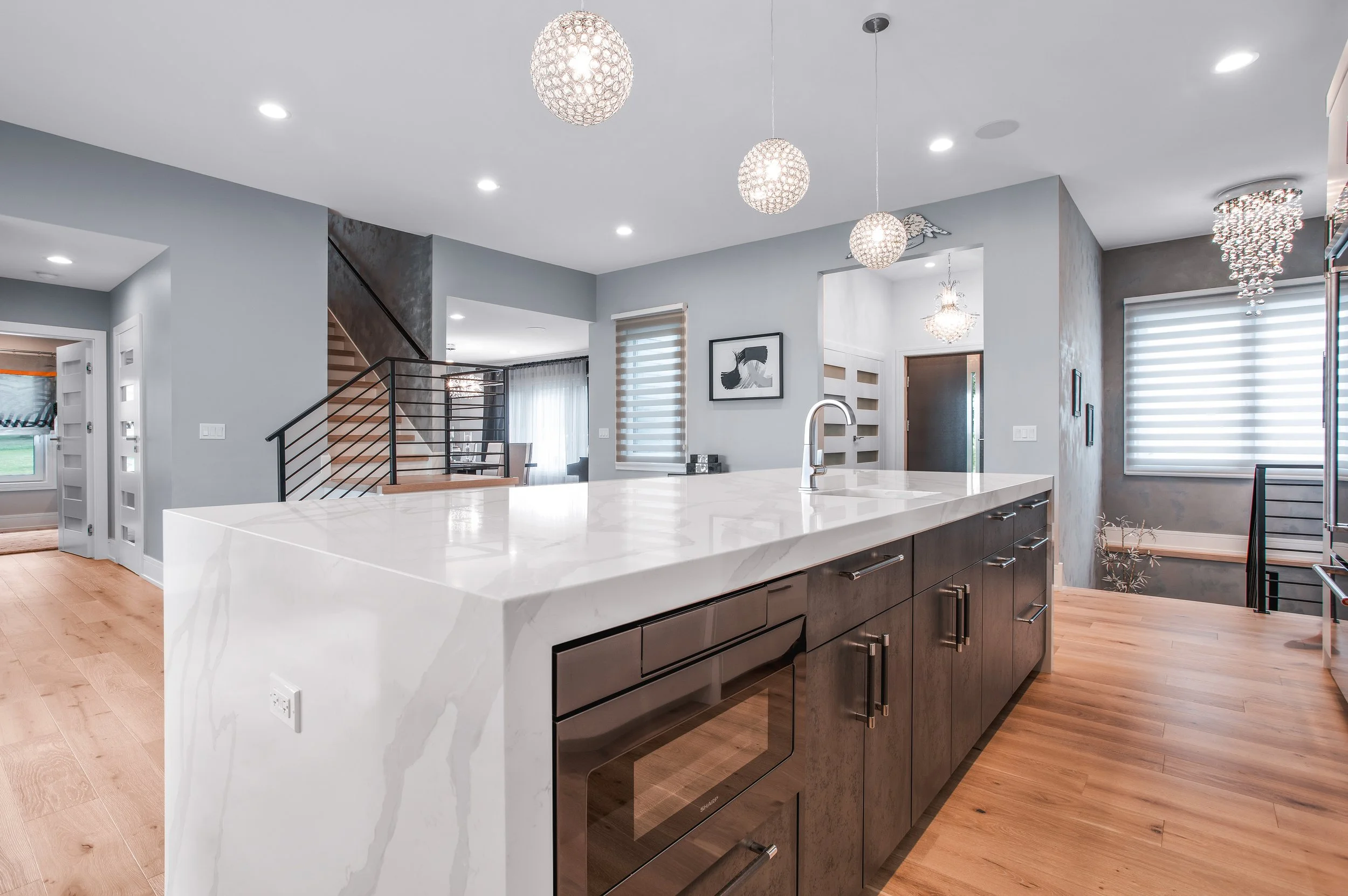
Source: Magda Interiors
2. Secondary (Task) Lighting
Task lighting supports how you actually use a space. It’s focused, functional, and essential for everyday activities.
Where you’ll find it:
Table and floor lamps
Desk lighting
Bedside lamps
Vanity lighting in bathrooms
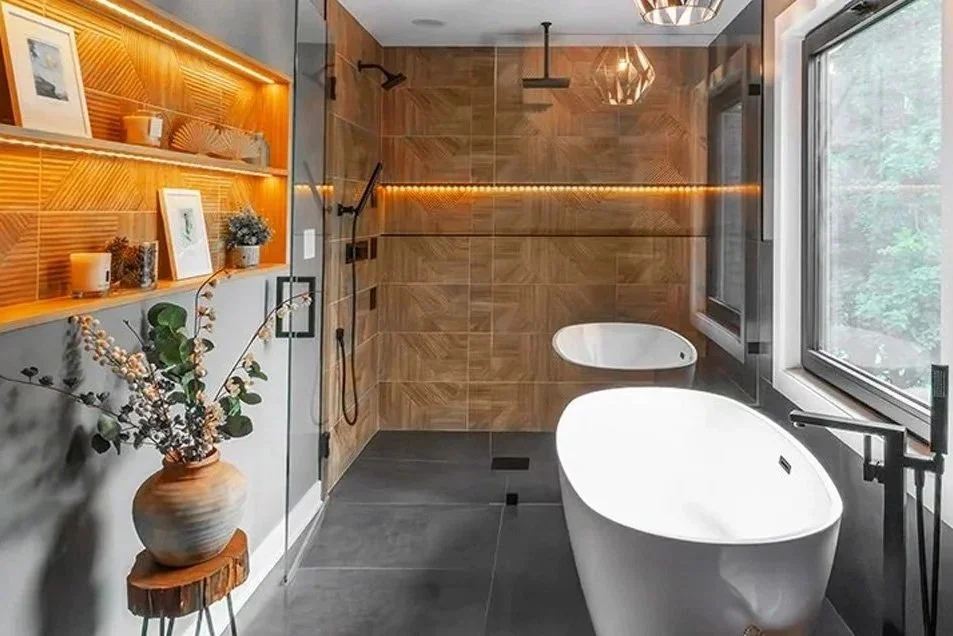
Source: Magda Interiors
3. Under-Cabinet Lighting
This is one of the highest-impact, lowest-regret upgrades you can make—especially in kitchens.
Benefits:
Improves visibility on countertops
Adds a soft, high-end glow
Enhances backsplash materials
4. Sconces & Accent Lighting
Wall sconces and artwork accent lighting are both functional and decorative, and they’re a favorite among designers for adding character.
Great for:
Hallways
Bathrooms (on either side of a mirror)
Bedrooms (instead of table lamps)
Living rooms and staircases
Artwork
Built-ins or shelving
Fireplaces
Architectural details
Why Layered Lighting Matters
A well-lit home isn’t about one perfect fixture—it’s about balance. Layering different types of lighting allows you to:
Adjust the mood throughout the day
Improve functionality
Make spaces feel warmer and more intentional
When lighting is planned correctly from the beginning, it elevates every design decision that follows.